




Glucose Oxidase 10,000 U/g


What does Glucose oxidase do?
Glucose oxidase primarily catalyzes glucose oxidation to produce gluconic acid and hydrogen peroxide, with wide applications across multiple fields.
In the food industry, it removes glucose to prevent browning, extends shelf life through mild antibacterial effects of hydrogen peroxide, and enhances quality-used in fruit juices, pastries, and dairy products. For medicine and detectalso assists in inhibiting surface bacteria for wound care products. As a feed additive, it optimizes intestinal glucose metabolism to promote nutrient absorption, and is also applied in biosensorsion, it specifically recognizes glucose, acting as a core component in blood glucose test kits; the hydrogen peroxide for rapid glucose quantification.

|
Product name: |
Glucose oxidase |
|
Source: |
Aspergillus niger |
|
Enzyme activity |
10,000 U/g or customized |
|
Technology : |
Fermented |
|
CAS #: |
9001-37-0 |
|
Appearance: |
Light brown powder |
|
Carrier: |
Maltodextrin or customized |
|
MOQ: |
1KG |
|
Temperature: |
40℃-60℃,Optimum50℃-55℃ |
|
pH: |
3.5~6.5, Optimum 5.0-5.5 |
|
Solubility |
It is easily soluble in water. The aqueous solution is a transparent and clear liquid. It is almost insoluble in ethanol, chloroform and ether. |
|
Packing: |
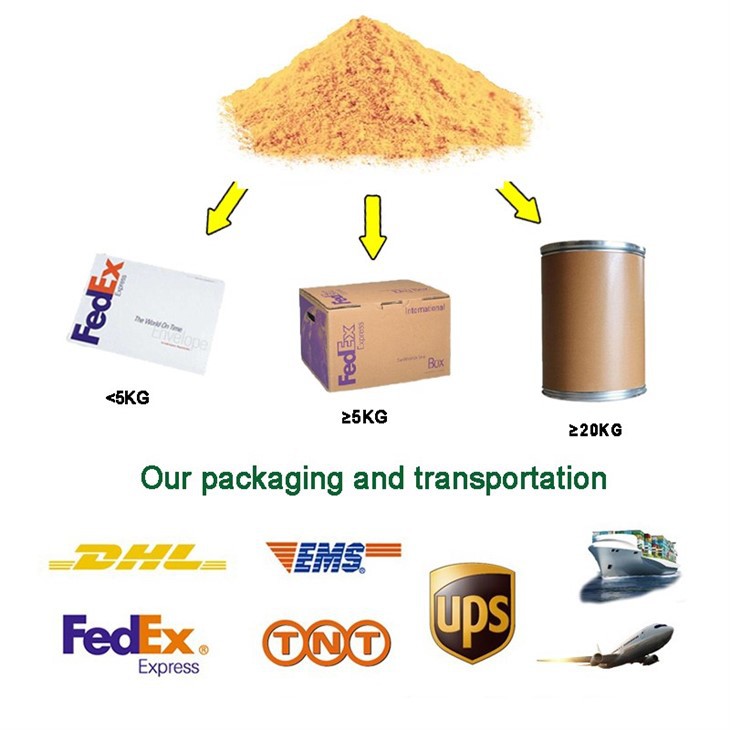
25KG/DRUM |
|
Storage: |
In a cool and dry environment away from light |
|
Shelf life: |
12 months |
|
Application: |
Sugar production; Winemaking industry; Fermentation industry |
Mechanism of Action
Glucose oxidase acts as an oxidoreductase enzyme, catalyzing the following reaction:
β-D-glucose + O₂ → D-glucono-δ-lactone + H₂O₂
Stepwise process:
Oxidation: Glucose oxidase binds β-D-glucose and oxidizes it to D-glucono-δ-lactone.
Cofactor involvement: The enzyme uses flavin adenine dinucleotide (FAD) as a redox cofactor.
Hydrogen peroxide formation: Reduced FADH₂ transfers electrons to oxygen, forming H₂O₂.
Hydrolysis: D-glucono-δ-lactone spontaneously hydrolyzes to gluconic acid.
Biochemical outcome:
Glucose is converted into gluconic acid and hydrogen peroxide.
The generated H₂O₂ has antimicrobial properties, while oxygen consumption helps reduce oxidative degradation in food systems.

|
Product name |
Forms |
Enzyme Activity |
|
Glucose oxidase |
Powder |
≥10,000 U/g |
|
Statement |
GMO free |
|
|
Item |
Specification |
|
|
Appearance |
Light yellow powder |
|
|
Mesh |
98% pass 80 mesh |
|
|
Activity of enzyme |
NLT 10,000 LU/G |
|
|
Loss on drying |
NMT 8.00% |
|
|
Heavy metals |
< 20.00 mg/kg |
|
|
Lead |
< 3.00 mg/kg |
|
|
Arsenic |
< 2.00 mg/kg |
|
|
Total Plate Count |
NMT 10,000 cfu/g |
|
|
E.Coli |
Negative/10g |
|
|
Salmonella |
Negative/10g |
|
|
Yeast and Mould |
NMT 100 cfu/g |
|

a. Food and Beverage Industry
Antimicrobial and preservative agent:
Consumes oxygen and produces H₂O₂, inhibiting growth of spoilage microbes and molds.
Commonly used in bakery products, dairy, and egg preservation.
Shelf-life extension: Prevents oxidative rancidity in fat-rich foods.
Dough improvement: Strengthens gluten network and improves dough elasticity in baking.
b. Animal Feed and Agriculture
Feed additive:
Reduces oxygen content and suppresses harmful microbial growth.
Improves intestinal health and feed preservation.
c. Textile and Packaging Industries
Oxygen scavenger: Used in packaging systems to remove residual oxygen, preserving freshness of perishable goods.

· High substrate specificity for β-D-glucose.
· Stable enzyme under acidic to neutral pH (pH 4.0–7.0).
· Thermostable variants available for industrial applications.
· GRAS status (Generally Recognized as Safe) for food use.
· Dual functional benefit: both oxygen scavenging and antimicrobial activity.
· Produced via controlled microbial fermentation ensuring purity and consistency.
· Synergistic use with catalase to decompose excess H₂O₂ and prevent oxidative damage in sensitive products.

Q1. How does glucose oxidase improve food shelf life?
By consuming oxygen and producing hydrogen peroxide, glucose oxidase prevents oxidative spoilage and inhibits microorganisms, extending the freshness of foods such as baked goods, dairy, and egg-based products.
Q2. Can glucose oxidase be used with other enzymes?
Yes. It is often combined with catalase, which decomposes hydrogen peroxide into water and oxygen, preventing oxidative stress in biological or food systems.
Q3. How does glucose oxidase help in feed or agricultural applications?
It reduces oxygen and inhibits undesirable microbial growth, improving feed preservation and promoting better gut health in livestock.
Hot Tags: glucose oxidase 10,000 u/g, China glucose oxidase 10,000 u/g manufacturers, suppliers, factory, Deaminase, Bromelain, Enzymes, Papain, Neutral Protease, Pancreatin
Send Inquiry
