

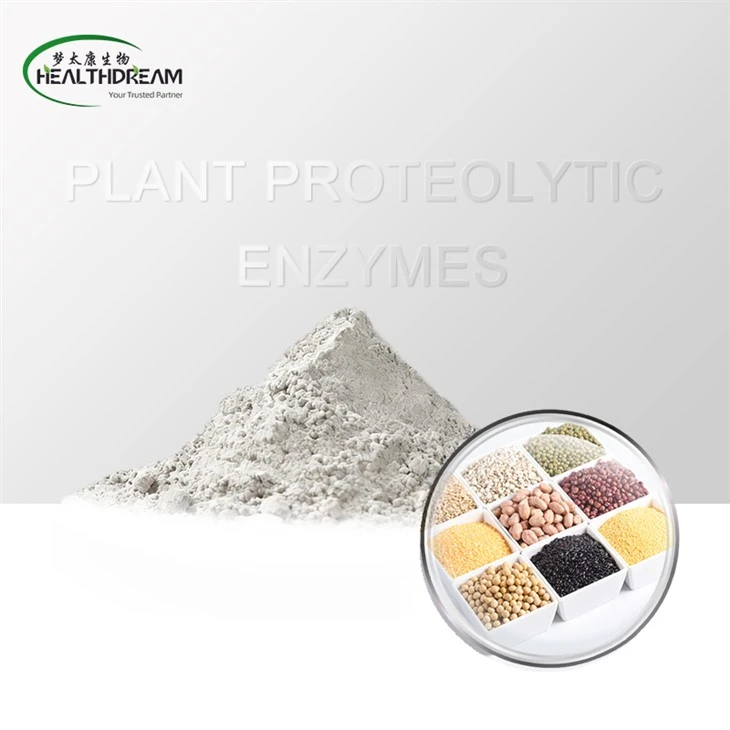



Plant Proteolytic Enzymes


What is the difference between a single plant protease (like bromelain) and a blended enzyme formula?
A single protease (e.g., bromelain only) is targeted primarily at protein digestion and its specific systemic benefits. A blended formula often combines multiple plant and fungal proteases (e.g., bromelain, papain, protease from Aspergillus) with other enzymes like amylase (for carbs), lipase (for fats), and cellulase (for fiber). Blends are designed for comprehensive digestive support across all food types, making them a better choice for general digestive discomfort after mixed meals.

|
Product name |
Plant proteolytic enzymes(compounding enzymes) |
|
Appearance |
Grayish brown powder |
|
Product odor: |
Slight odor of fermentation |
|
Ingredients |
Protease, maltodextrin |
|
Enzyme activity |
Complex enzyme |
|
MOQ: |
1kg |
|
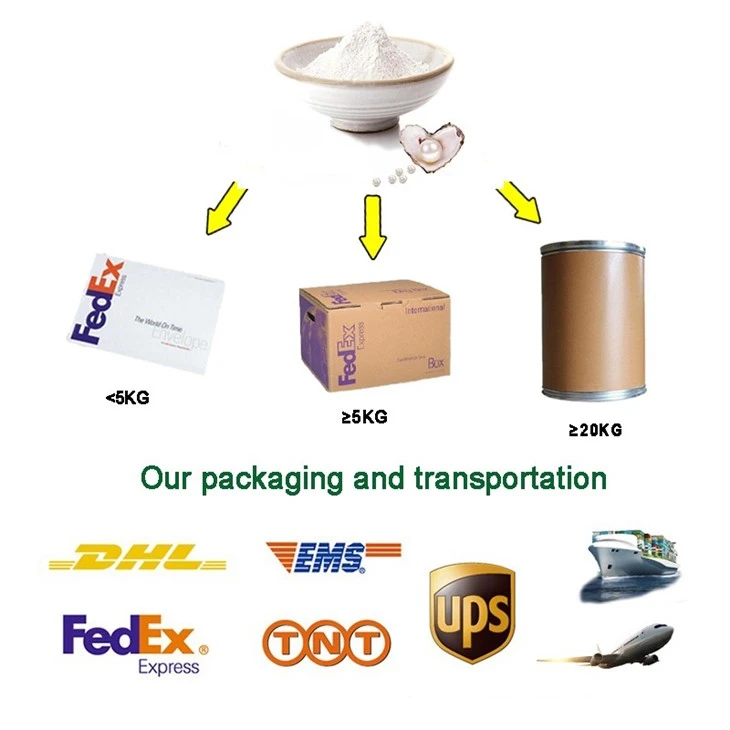
Package: |
5kg/drum |
|
Shelf Life: |
12 Months under room temperature |
|
Other influencing factors |
Oxidation inhibitor; Reducing substances, like active ion Ca2+, Mg2+, Na+; K+ ect. |
|
Storage: |
In cool dry place , away from light |
|
Recommended dosage: |
Suggested addition amount is 0.1-0.3%, depending on the type, concentration, reaction conditions, and other factors of the substrate and production situation |
Mechanism of action:
Plant proteases work by catalyzing the hydrolysis of peptide bonds, breaking down large protein molecules into smaller peptides and amino acids.
Ingestion & Activation: They are active across a wider pH range than many pancreatic enzymes, meaning they can start breaking down proteins in the stomach (acidic environment) and continue in the small intestine (alkaline environment).
Targeted Action: Each enzyme has a slight preference for cleaving specific types of peptide bonds, leading to efficient, broad-spectrum protein digestion. For example, papain and bromelain are known as "cysteine proteases" due to their active site mechanism.
Systemic Absorption: A unique aspect of some plant enzymes like bromelain is that a fraction can be absorbed intact into the bloodstream. This allows them to exert systemic effects, such as modulating inflammation, reducing swelling, and influencing immune response, beyond just digestive activity.

|
Product name |
Plant proteolytic enzymes(compounding enzymes) |
|
Form: |
Powder |
|
Enzyme Activity |
Customized |
|
Item |
Specification |
|
Appearance: |
Grayish brown powde |
|
Activity of enzyme: |
Customized |
|
Arsenic: |
NMT 3.00 mg/kg |
|
Lead: |
NMT 5.00 mg/kg |
|
Colonies number: |
NMT 50,000 cfu/g |
|
Coliform bacteria: |
NMT 30 cfu/g |
|
Escherichia Coli: |
Negative |
|
Salmonella: |
Negative/25g |

A. Dietary Supplements & Health:
Digestive Aid: Supports the breakdown of dietary proteins, reducing symptoms of bloating, gas, and heaviness after high-protein meals.
General Wellness: Included in enzyme blends to support overall digestive health and nutrient absorption.
B. Food Industry:
Meat Tenderizers: Papain and bromelain are key ingredients in commercial meat tenderizers, breaking down tough collagen and muscle fibers.
Cheese Manufacturing: Ficin and other plant proteases are used as milk-clotting agents (vegetarian rennet) in cheese production.
Baking: Used to modify dough texture and strength by hydrolyzing gluten.
Brewing: Assist in clarifying beer by breaking down haze-forming proteins.
C. Other Industries:
Cosmetics & Skincare: Used in exfoliating products and peels to remove dead skin cells (keratolytic action).
Laboratory Use: In research for protein digestion and analysis.

Broad pH Activity: Effective in both acidic and alkaline conditions, making them versatile digestive aids throughout the GI tract.
Vegetarian/Vegan & Allergen-Friendly: Suitable for individuals avoiding animal products or with pork allergies (relevant for pancreatin).
Anti-Inflammatory & Systemic Benefits: Enzymes like bromelain are clinically recognized for their ability to reduce inflammation and edema, not just aid digestion.
Gentler on the Pancreas: May provide digestive support without down-regulating the body's own enzyme production, as they are supplemental and not identical to human enzymes.
Dual-Purpose: Serve both as digestive aids (when taken with meals) and as systemic anti-inflammatory/anti-edema agents (when taken between meals on an empty stomach).

Q1 What are plant proteolytic enzymes?
A: They are proteins produced by plants that catalyze the breakdown (hydrolysis) of other proteins into smaller peptides and amino acids. They are a specific type of enzyme within the larger class of hydrolases. Common examples include papain (from papaya), bromelain (from pineapple), and ficin (from figs).
Q2. What are the most common sources?
Papaya (Carica papaya): Papain is extracted from the latex of unripe fruit and leaves.
Pineapple (Ananas comosus): Bromelain is primarily extracted from the stem core, with a different form found in the fruit.
Fig (Ficus spp.): Ficin is obtained from the latex of the fig tree.
Ginger (Zingiber officinale): Contains zingibain, a protease useful in tenderizing meats.
Soybean & Cereals: Contain various proteases important for germination and food processing.
Q3. What affects their activity?
Temperature: They are active at moderate temperatures (40-60°C / 104-140°F) but are denatured (destroyed) by high heat (e.g., thorough cooking/canning). Pineapple juice can tenderize meat, but cooked pineapple cannot.
pH: Each enzyme has an optimal pH range; activity decreases outside this range.
Inhibitors: Some plants contain specific proteins that inhibit protease activity to protect the plant from self-digestion.
Hot Tags: plant proteolytic enzymes, China plant proteolytic enzymes manufacturers, suppliers, factory, Amylase, Pancreatin, Bromelain, Cellulase, Alkaline Protease, Cu Zn Superoxide Dismutase SOD
Send Inquiry
